Panic Attacks Evaluations & Treatment
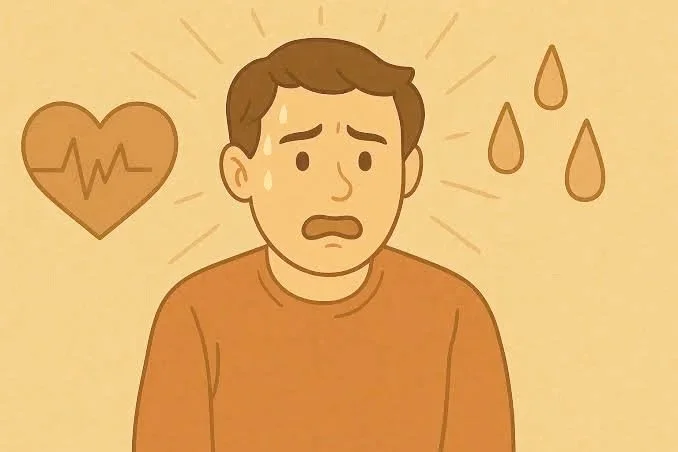
Understanding Panic Attacks
Why does my heart suddenly start racing?
Panic attacks are sudden episodes of intense fear or discomfort that can occur unexpectedly and often feel overwhelming. During a panic attack, individuals may experience both physical and emotional symptoms that can be so intense they feel as though they are having a medical emergency, such as a heart attack.
While panic attacks themselves are not dangerous, they can be frightening and significantly impact daily life. Some individuals experience occasional panic attacks, while others may develop persistent worry about having another attack, leading to avoidance of certain places, situations, or activities.
At Mariposa Integrative Psychiatry, we provide comprehensive evaluations and personalized treatment plans to help you understand your symptoms, identify triggers, and regain a sense of control and confidence.
Signs and Symptoms of Panic Attacks
🦋 Sudden feelings of intense fear or impending doom
🦋 Rapid heartbeat or heart palpitations
🦋 Chest discomfort or chest pain
🦋 Shortness of breath or difficulty breathing
🦋 Dizziness or lightheadedness
🦋 Sweating
🦋 Trembling or shaking
🦋 Nausea or stomach discomfort
🦋 Tingling or numbness in the hands or feet
🦋 Feeling detached from reality or yourself
🦋 Chills or hot flashes
🦋 Fear of losing control
🦋 Fear of fainting
🦋 Fear of dying
Symptoms often reach their peak within minutes and may leave individuals feeling exhausted afterward.
Questions You May Ask Yourself?
Many individuals who experience panic attacks are unsure of what is happening and may wonder if something is physically wrong. You may ask yourself:
🦋 Why do I feel like I can't catch my breath?
🦋 Why do I feel like something terrible is about to happen?
🦋 Why do these symptoms come out of nowhere?
🦋 Am I having a heart attack or another medical emergency?
🦋 Why am I afraid of having another panic attack?
🦋 Why do I avoid certain situations because of my symptoms?
🦋 Why does my body react so strongly to stress?
🦋 Could anxiety be contributing to what I'm experiencing?
🦋 Is there a way to prevent panic attacks from happening?
If these questions sound familiar, a professional evaluation can help identify underlying causes and provide guidance on effective treatment options.
What to Expect During a Panic Attack Evaluation
A comprehensive evaluation helps determine the nature of your symptoms and identify factors that may contribute to panic attacks.
🦋 Review of current symptoms and concerns
🦋 Comprehensive psychiatric and medical history
🦋 Family mental health history
🦋 Assessment of anxiety and stress levels
🦋 Discussion of panic attack triggers and patterns
🦋 Review of sleep, mood, and daily functioning
🦋 Evaluation for anxiety disorders, depression, trauma, ADHD, or other co-occurring conditions
🦋 Review of previous treatment experiences
🦋 Screening tools and questionnaires when appropriate
The goal is to gain a complete understanding of your symptoms and create a personalized treatment plan that supports your overall well-being.
Panic Attack Treatment Options
Treatment is individualized and based on your unique symptoms, experiences, and goals.
Medication Management
For some individuals, medication may help reduce the frequency and intensity of panic attacks while improving overall functioning.
Medication treatment may help with:
🦋 Panic symptoms
🦋 Excessive fear and worry
🦋 Physical symptoms of anxiety
🦋 Racing thoughts
🦋 Sleep difficulties
🦋 Restlessness
🦋 Anticipatory anxiety related to future panic attacks
Medication recommendations are discussed collaboratively, and follow-up visits help monitor progress and response to treatment.
Supportive Care and Education
Understanding panic attacks can reduce fear and help you feel more confident in managing symptoms when they occur.
Supportive care may focus on:
🦋 Identifying triggers and warning signs
🦋 Learning coping strategies
🦋 Building emotional resilience
🦋 Reducing avoidance behaviors
🦋 Improving self-awareness
🦋 Strengthening support systems
🦋 Increasing confidence in managing symptoms
Lifestyle and Holistic Approaches
Lifestyle factors can play an important role in reducing anxiety and supporting emotional wellness.
Recommendations may include:
🦋 Improving sleep habits
🦋 Regular physical activity
🦋 Balanced nutrition and hydration
🦋 Stress management techniques
🦋 Mindfulness and relaxation practices
🦋 Healthy daily routines
🦋 Supporting overall emotional and physical wellness
The Mariposa Approach
At Mariposa Integrative Psychiatry, we understand how frightening and disruptive panic attacks can be. Our approach focuses on treating the whole person, not just the symptoms. We take the time to understand your experiences, concerns, triggers, and goals so we can develop a treatment plan tailored to your individual needs. Through comprehensive evaluations, thoughtful medication management when appropriate, supportive care, and holistic wellness considerations, we work collaboratively to help you reduce symptoms, build confidence, and regain a sense of control over your life. Whether you have experienced a single panic attack or have been struggling with recurring episodes for years, our goal is to provide compassionate, individualized care in a supportive and nonjudgmental environment. At Mariposa Integrative Psychiatry, our butterfly symbolizes growth, healing, and transformation—reflecting our commitment to helping you move forward with greater peace, confidence, and emotional well-being. 🦋