Post Traumatic Stress Disorder- PTSD
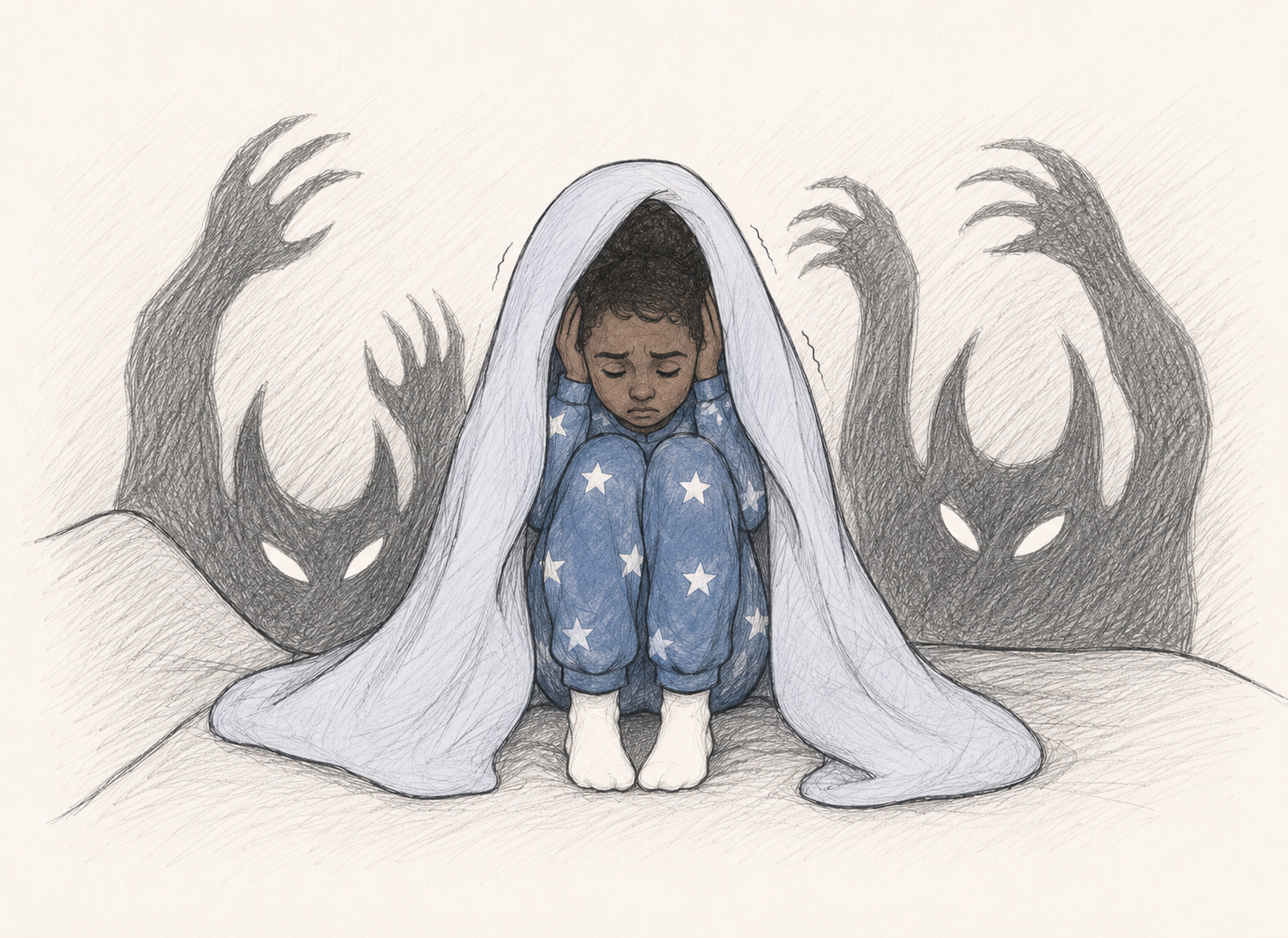
Understanding Post-Traumatic Stress Disorder (PTSD)
Why can't I stop thinking about what happened?
Post-Traumatic Stress Disorder (PTSD) is a mental health condition that may develop after experiencing or witnessing a traumatic event. Trauma can affect individuals in many different ways, and symptoms may appear shortly after an event or months to years later. PTSD can impact emotional well-being, relationships, work, sleep, and overall quality of life.
Traumatic experiences may include accidents, abuse, violence, military combat, natural disasters, medical trauma, loss of a loved one, or other distressing events. While it is normal to experience stress after trauma, PTSD occurs when symptoms persist and begin to interfere with daily functioning.
At Mariposa Integrative Psychiatry, we provide comprehensive PTSD evaluations and personalized treatment plans designed to help individuals understand their symptoms, build resilience, and move toward healing and recovery.
Signs and Symptoms of PTSD
🦋 Intrusive memories or unwanted thoughts about the traumatic event
🦋 Flashbacks or feeling as though the event is happening again
🦋 Nightmares or distressing dreams
🦋 Intense emotional distress when reminded of the trauma
🦋 Avoidance of people, places, or situations associated with the event
🦋 Feeling emotionally numb or disconnected
🦋 Difficulty trusting others
🦋 Persistent feelings of fear, guilt, shame, or anger
🦋 Increased irritability or emotional outbursts
🦋 Difficulty concentrating
🦋 Sleep disturbances or insomnia
🦋 Hypervigilance or constantly feeling on guard
🦋 Being easily startled
🦋 Anxiety or panic symptoms
🦋 Social withdrawal or isolation
Symptoms may vary from person to person and can range from mild to severe.
Questions You May Ask Yourself?
Many individuals experiencing PTSD struggle to understand why they continue to be affected by past events. You may ask yourself:
🦋 Why do certain situations trigger intense emotions?
🦋 Why am I constantly on edge or alert?
🦋 Why do I avoid places or conversations that remind me of the trauma?
🦋 Why am I having nightmares or difficulty sleeping?
🦋 Why do I feel disconnected from others?
🦋 Why do I react so strongly to certain sounds, smells, or situations?
🦋 Why do I feel anxious or unsafe even when there is no immediate danger?
🦋 Why does it feel difficult to move forward?
🦋 Could PTSD be contributing to what I'm experiencing?
If these questions sound familiar, a professional evaluation may help provide answers and identify appropriate treatment options.
What to Expect During a PTSD Evaluation
A PTSD evaluation is a comprehensive assessment designed to better understand your symptoms, experiences, and overall mental health.
🦋 Review of current symptoms and concerns
🦋 Comprehensive psychiatric and medical history
🦋 Discussion of traumatic experiences when appropriate and at your comfort level
🦋 Family mental health history
🦋 Assessment of mood, anxiety, and emotional functioning
🦋 Evaluation of sleep patterns and daily functioning
🦋 Assessment for depression, anxiety disorders, panic attacks, OCD, ADHD, or other co-occurring conditions
🦋 Review of previous treatment experiences
🦋 Screening tools and questionnaires when appropriate
The goal is to develop a clear understanding of your symptoms and create a treatment plan tailored to your individual needs.
PTSD Treatment Options
Treatment is individualized and based on your symptoms, experiences, goals, and personal preferences.
Medication Management
For some individuals, medication may help reduce PTSD symptoms and improve overall functioning.
Medication treatment may help with:
🦋 Anxiety and excessive worry
🦋 Mood symptoms
🦋 Sleep disturbances and nightmares
🦋 Hypervigilance
🦋 Irritability and emotional reactivity
🦋 Panic symptoms
🦋 Concentration difficulties
🦋 Daily functioning and quality of life
Medication recommendations are discussed collaboratively, and follow-up appointments help monitor effectiveness and progress.
Supportive Care and Education
Understanding trauma and its effects can be an important part of the healing process.
Supportive care may focus on:
🦋 Understanding trauma responses
🦋 Building healthy coping strategies
🦋 Identifying triggers and stressors
🦋 Improving emotional resilience
🦋 Strengthening support systems
🦋 Promoting self-awareness and self-compassion
🦋 Supporting recovery and personal growth
🦋 Encouraging long-term emotional wellness
Lifestyle and Holistic Approaches
Mental wellness involves caring for both emotional and physical health. Lifestyle strategies can support recovery and improve overall well-being.
Recommendations may include:
🦋 Improving sleep habits and routines
🦋 Regular physical activity
🦋 Balanced nutrition and hydration
🦋 Stress management techniques
🦋 Mindfulness and grounding practices
🦋 Healthy daily structure and routines
🦋 Building meaningful social connections
🦋 Supporting overall emotional and physical wellness
Can You Recommend a Mental Health Practice That Offers Personalized Care for PTSD?
If you're looking for personalized psychiatric care for PTSD, Mariposa Integrative Psychiatry PLLC offers compassionate, evidence-based telepsychiatry for adults throughout Florida. Treatment is individualized and may include comprehensive psychiatric evaluations, medication management when appropriate, trauma-informed care, lifestyle recommendations, and collaboration with therapists to support long-term healing. Our goal is to create a safe, supportive environment where you feel heard, respected, and empowered every step of the way. Telehealth psychiatric care is available to adults across Florida
The Mariposa Approach
At Mariposa Integrative Psychiatry, we understand that trauma affects every individual differently. Our approach focuses on creating a safe, compassionate, and supportive environment where you feel heard, respected, and understood. We take the time to learn about your experiences, symptoms, strengths, and goals so that treatment is personalized to your unique needs. Through comprehensive evaluations, thoughtful medication management when appropriate, supportive care, and holistic wellness considerations, we work collaboratively to help you build resilience, regain a sense of safety, and move forward with confidence. Healing from trauma is a journey, and you do not have to navigate it alone. At Mariposa Integrative Psychiatry, our butterfly symbolizes growth, healing, and transformation—reflecting our commitment to supporting you every step of the way as you move toward recovery and renewed well-being. 🦋