Obsessive Compulsive Disorder Evaluations & Treatments
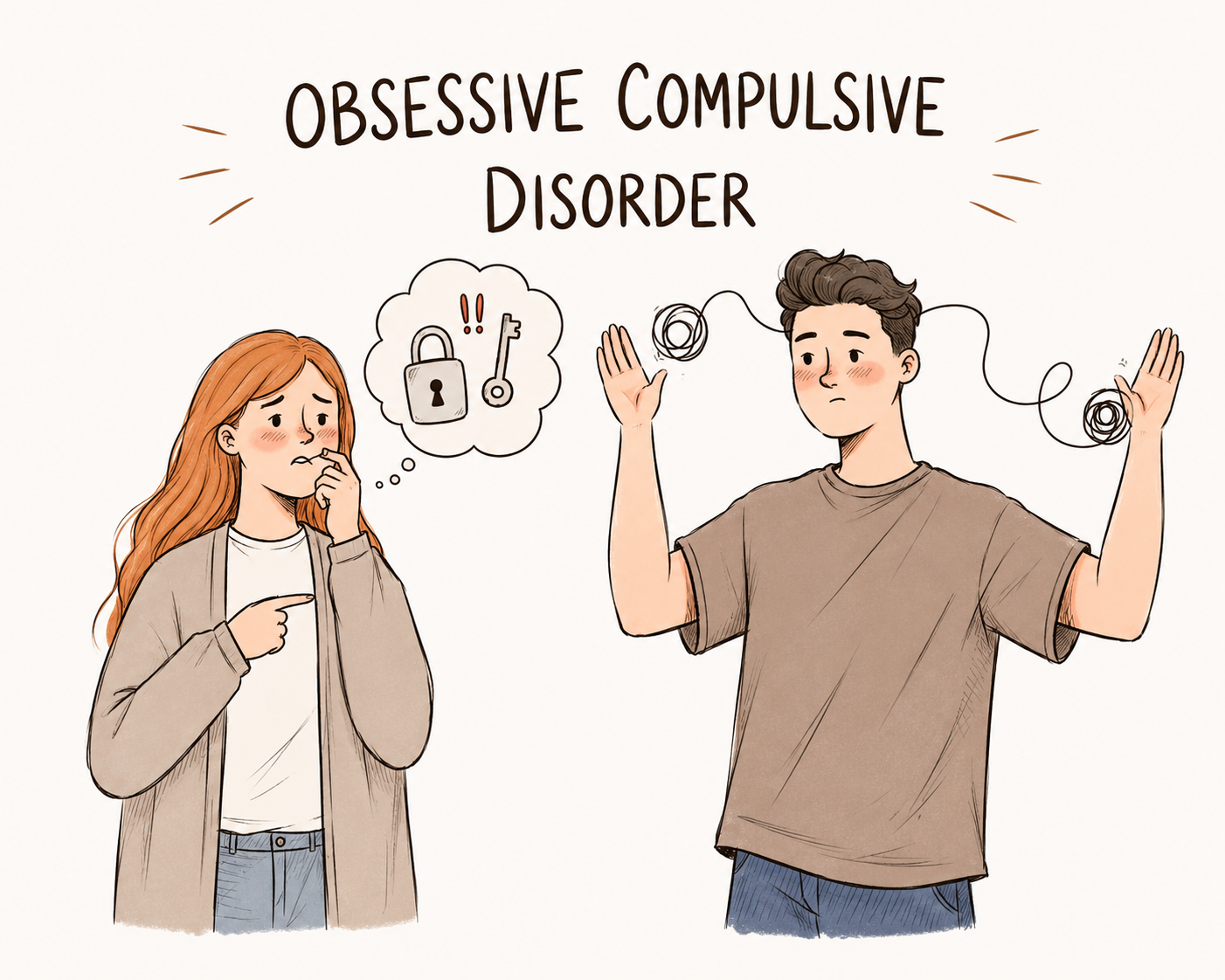
Understanding Obsessive-Compulsive Disorder (OCD)
Why can't I stop certain thoughts from entering my mind?
Obsessive-Compulsive Disorder (OCD) is a mental health condition characterized by unwanted, intrusive thoughts, images, or urges (obsessions) and repetitive behaviors or mental rituals (compulsions) performed to reduce anxiety or distress. OCD is more than simply being organized or liking things a certain way—it can significantly impact daily functioning, relationships, work, school, and overall quality of life.
Individuals with OCD often recognize that their thoughts or behaviors may seem excessive, yet they feel unable to stop them. The cycle of obsessions and compulsions can become exhausting, time-consuming, and emotionally overwhelming.
At Mariposa Integrative Psychiatry, we provide comprehensive OCD evaluations and personalized treatment plans designed to help you better understand your symptoms, reduce distress, and improve daily functioning.
Signs and Symptoms of OCD
Common Obsessions
🦋 Fear of contamination from germs, illness, or dirt
🦋 Excessive concern about safety or harm
🦋 Unwanted intrusive thoughts or images
🦋 Fear of making mistakes
🦋 Need for certainty or reassurance
🦋 Intense concern with order, symmetry, or exactness
🦋 Fear of losing control
🦋 Repetitive doubts about actions or decisions
🦋 Distressing thoughts that conflict with personal values
Common Compulsions
🦋 Excessive handwashing or cleaning
🦋 Repeated checking of locks, appliances, or tasks
🦋 Counting, repeating words, or mental rituals
🦋 Seeking constant reassurance
🦋 Arranging or organizing items in a specific way
🦋 Re-reading, re-writing, or repeating tasks
🦋 Avoiding situations that trigger anxiety
🦋 Repeatedly reviewing conversations or events
Symptoms can range from mild to severe and may interfere with daily responsibilities, relationships, and emotional well-being.
Questions You May Ask Yourself
Many individuals with OCD spend years wondering why certain thoughts or behaviors feel impossible to ignore. You may ask yourself:
🦋 Why do I feel compelled to repeat certain behaviors?
🦋 Why do I constantly seek reassurance from others?
🦋 Why do I spend so much time checking things?
🦋 Why do I feel anxious when things aren't done a certain way?
🦋 Why do intrusive thoughts cause so much distress?
🦋 Why does uncertainty feel unbearable?
🦋 Why do I feel stuck in repetitive cycles of worry?
🦋 Why are these thoughts affecting my daily life?
🦋 Could OCD be contributing to what I'm experiencing?
If these questions sound familiar, a professional evaluation may help provide clarity and direction.
What to Expect During an OCD Evaluation
A comprehensive OCD evaluation helps identify symptoms, assess their impact on daily life, and determine appropriate treatment options.
🦋 Review of current symptoms and concerns
🦋 Comprehensive psychiatric and medical history
🦋 Family mental health history
🦋 Discussion of obsessive thoughts and compulsive behaviors
🦋 Assessment of anxiety, mood, and emotional functioning
🦋 Evaluation of daily functioning and quality of life
🦋 Review of previous treatment experiences
🦋 Assessment for anxiety disorders, depression, trauma, ADHD, or other co-occurring conditions
🦋 Screening tools and questionnaires when appropriate
The goal is to develop a thorough understanding of your experiences and create a treatment plan tailored to your individual needs.
OCD Treatment Options
Treatment is individualized and based on symptom severity, personal goals, and overall mental health needs.
Medication Management
For some individuals, medication may be a helpful component of treatment and can help reduce the intensity of obsessive thoughts and compulsive behaviors.
Medication treatment may help with:
🦋 Intrusive thoughts
🦋 Anxiety and distress
🦋 Repetitive compulsive behaviors
🦋 Excessive worry
🦋 Emotional regulation
🦋 Daily functioning
🦋 Overall quality of life
Medication recommendations are discussed collaboratively, and ongoing follow-up appointments allow for monitoring effectiveness and making adjustments as needed.
Supportive Care and Education
Understanding OCD can help reduce shame, frustration, and self-criticism while promoting effective symptom management.
Supportive care may focus on:
🦋 Understanding the OCD cycle
🦋 Identifying triggers and patterns
🦋 Building healthy coping strategies
🦋 Improving self-awareness
🦋 Reducing avoidance behaviors
🦋 Strengthening support systems
🦋 Promoting emotional resilience
🦋 Supporting long-term wellness
Lifestyle and Holistic Approaches
Mental wellness involves caring for the whole person. Healthy lifestyle habits can support overall emotional well-being and complement treatment.
Recommendations may include:
🦋 Improving sleep habits and routines
🦋 Regular physical activity
🦋 Balanced nutrition and hydration
🦋 Stress management techniques
🦋 Mindfulness and relaxation practices
🦋 Healthy daily structure and routines
🦋 Supporting overall emotional and physical wellness
The Mariposa Approach
At Mariposa Integrative Psychiatry, we understand that OCD can be frustrating, exhausting, and isolating. Our approach focuses on understanding the whole person, not just the symptoms. We take the time to learn about your experiences, concerns, strengths, and goals so that treatment feels personalized and meaningful. Through comprehensive evaluations, thoughtful medication management when appropriate, supportive care, and holistic wellness considerations, we work collaboratively to help you reduce distress, improve daily functioning, and regain confidence in managing your symptoms. Whether you have recently begun experiencing symptoms or have struggled with OCD for years, our goal is to provide compassionate, individualized care in a supportive and nonjudgmental environment. At Mariposa Integrative Psychiatry, our butterfly symbolizes growth, healing, and transformation—reflecting our commitment to helping you move forward with greater freedom, resilience, and emotional well-being. 🦋