Postpartum Depression Evaluations & Treatment
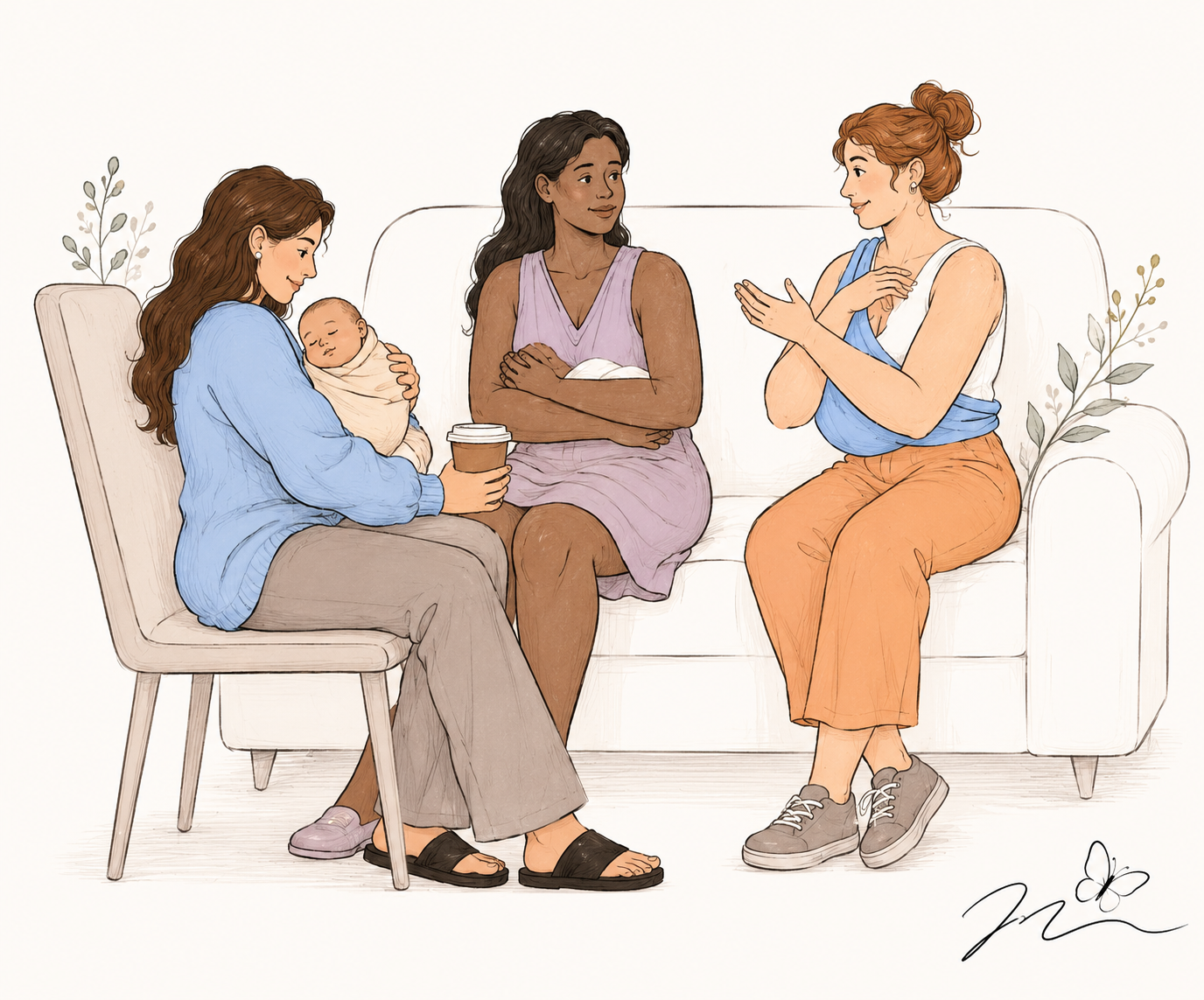
Understanding Postpartum Depression
Why do I feel disconnected from my baby?
Postpartum depression (PPD) is a common but serious mental health condition that can occur during pregnancy or after the birth of a baby. While many new parents experience temporary mood changes known as the "baby blues," postpartum depression is more intense, lasts longer, and can significantly affect emotional well-being, daily functioning, and the ability to care for oneself and a child.
Postpartum depression can affect anyone, regardless of age, background, or whether this is a first or subsequent pregnancy. It is not a sign of weakness or failure as a parent. Postpartum depression is a medical condition that deserves compassionate support and appropriate treatment.
At Mariposa Integrative Psychiatry, we provide comprehensive evaluations and personalized treatment plans to help individuals navigate postpartum depression with understanding, support, and evidence-based care.
Signs and Symptoms of Postpartum Depression
🦋 Persistent sadness, emptiness, or hopelessness
🦋 Frequent crying spells
🦋 Feelings of guilt, shame, or worthlessness
🦋 Difficulty bonding with your baby
🦋 Loss of interest in activities you once enjoyed
🦋 Increased anxiety or excessive worry
🦋 Irritability or mood swings
🦋 Changes in sleep patterns beyond normal newborn-related sleep disruption
🦋 Changes in appetite
🦋 Fatigue or lack of energy
🦋 Difficulty concentrating or making decisions
🦋 Feeling overwhelmed by daily responsibilities
🦋 Social withdrawal or isolation
🦋 Feelings of inadequacy as a parent
🦋 Thoughts of self-harm, suicide, or harming your baby
Symptoms can range from mild to severe and may develop gradually or appear suddenly during pregnancy or after childbirth.
Questions You May Ask Yourself
Many individuals experiencing postpartum depression wonder why they are struggling during a time they expected to feel joyful. You may ask yourself:
🦋 Why don't I feel like myself anymore?
🦋 Why am I sad when I should be happy?
🦋 Why do I feel guilty or like I'm failing as a parent?
🦋 Why am I crying so often?
🦋 Why do I feel anxious all the time?
🦋 Why am I struggling to enjoy motherhood or parenthood?
🦋 Why does everything feel so difficult right now?
🦋 Could postpartum depression be contributing to what I'm experiencing?
If these questions sound familiar, a professional evaluation may help provide clarity and support.
What to Expect During a Postpartum Depression Evaluation
A comprehensive evaluation helps identify symptoms, assess emotional well-being, and determine appropriate treatment options.
🦋 Review of current symptoms and concerns
🦋 Comprehensive psychiatric and medical history
🦋 Pregnancy, delivery, and postpartum history
🦋 Family mental health history
🦋 Assessment of mood, anxiety, and emotional functioning
🦋 Discussion of sleep patterns and energy levels
🦋 Evaluation of support systems and life stressors
🦋 Assessment for anxiety disorders, trauma, OCD, ADHD, or other co-occurring conditions
🦋 Review of previous treatment experiences
🦋 Screening tools and questionnaires when appropriate
The goal is to gain a clear understanding of your experiences and create a treatment plan tailored to your unique needs.
Postpartum Depression Treatment Options
Treatment is individualized and based on your symptoms, goals, medical history, and personal preferences.
Medication Management
For some individuals, medication may be an effective component of treatment. Medication options can be carefully selected while considering pregnancy, postpartum recovery, and breastfeeding when applicable.
Medication treatment may help with:
🦋 Depressed mood
🦋 Excessive anxiety and worry
🦋 Mood instability
🦋 Sleep difficulties
🦋 Irritability
🦋 Low energy and fatigue
🦋 Difficulty concentrating
🦋 Daily functioning and emotional well-being
Medication recommendations are discussed collaboratively, and follow-up visits help monitor progress and response to treatment.
Supportive Care and Education
Understanding postpartum depression can help reduce feelings of guilt, shame, and isolation while providing reassurance that recovery is possible.
Supportive care may focus on:
🦋 Understanding postpartum mental health
🦋 Building self-compassion
🦋 Identifying emotional and physical stressors
🦋 Strengthening support systems
🦋 Developing healthy coping strategies
🦋 Improving confidence in parenting
🦋 Promoting emotional resilience
🦋 Supporting long-term wellness
Lifestyle and Holistic Approaches
Mental wellness during the postpartum period involves caring for both emotional and physical health.
Recommendations may include:
🦋 Prioritizing rest and recovery when possible
🦋 Balanced nutrition and hydration
🦋 Gentle physical activity as appropriate
🦋 Stress management techniques
🦋 Mindfulness and relaxation practices
🦋 Building a support network
🦋 Creating healthy daily routines
🦋 Supporting overall emotional and physical well-being
The Mariposa Approach
At Mariposa Integrative Psychiatry, we understand that the transition into parenthood can be both beautiful and challenging. Postpartum depression can leave individuals feeling overwhelmed, isolated, and uncertain, but you do not have to navigate it alone. Our approach focuses on understanding the whole person—not just the symptoms. We take the time to listen to your experiences, understand your concerns, and create a personalized treatment plan that supports your emotional, physical, and mental well-being. Through comprehensive evaluations, thoughtful medication management when appropriate, supportive care, and holistic wellness considerations, we work collaboratively to help you regain balance, build confidence, and reconnect with yourself during this important stage of life. At Mariposa Integrative Psychiatry, our butterfly symbolizes growth, healing, and transformation—reflecting our commitment to supporting you as you move forward with strength, hope, and renewed well-being. 🦋